A retail store is made up of many different fixture types. Shelving holds everyday inventory, tables highlight featured products, racks organize apparel, and display cases protect valuable merchandise. On their own, each fixture serves a purpose. The challenge is getting them to work together as one complete layout.
When every fixture competes for attention, customers often don’t know where to look first.
Build a Clear Visual Hierarchy
Not every display should have the same level of importance.
Some products deserve to be front and center, while others simply need to be easy to find. Creating a hierarchy helps customers naturally move through the store instead of feeling overwhelmed by dozens of competing displays.
A balanced mix of feature fixtures and everyday shelving usually works better than treating every section as a promotional area.
Match the Fixture to the Product
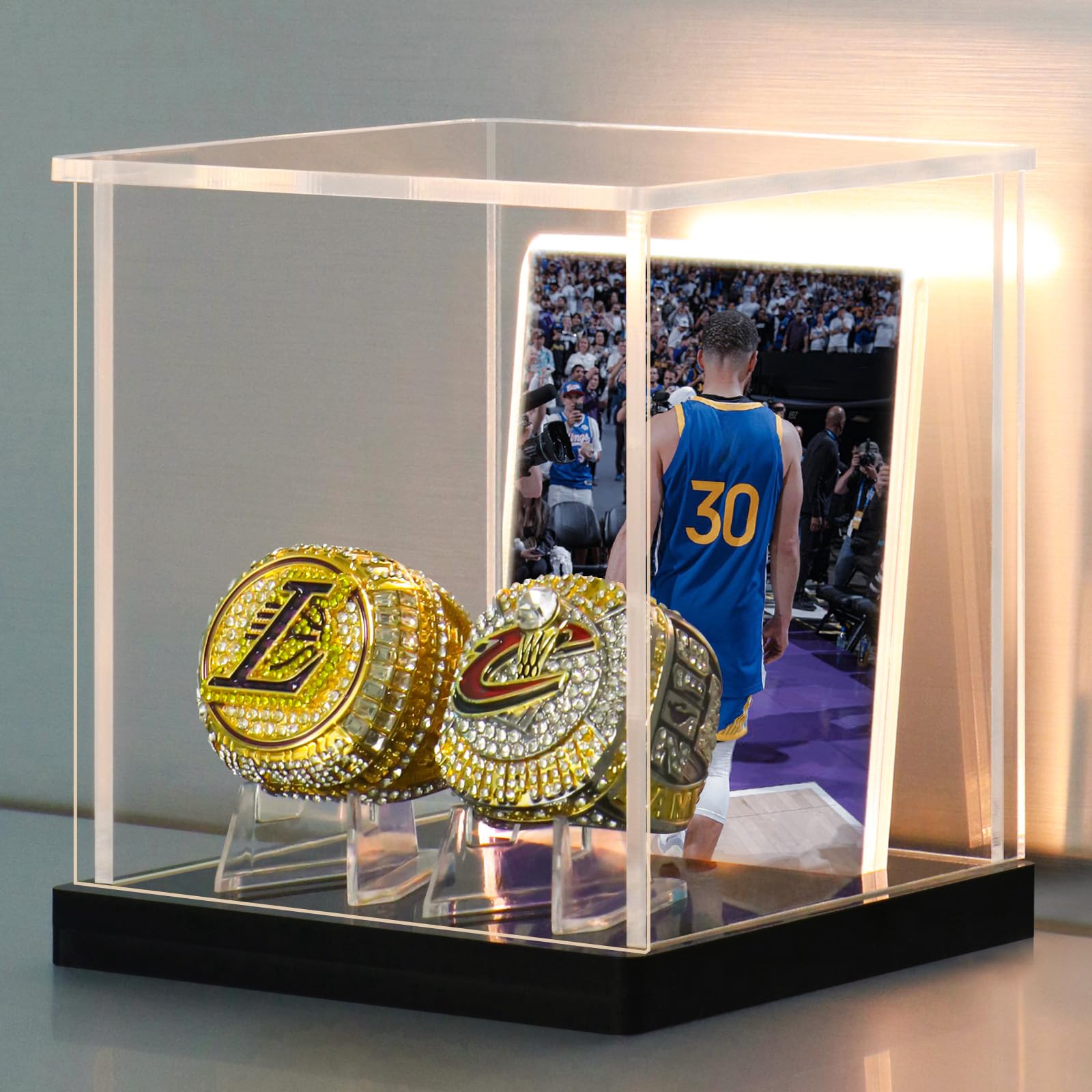
The way a product is displayed should reflect how customers interact with it.
Open shelving makes sense for items shoppers are expected to pick up and compare. Higher-value or delicate merchandise often benefits from a more controlled presentation.
In some parts of the store, wall mount display cases are a practical option because they keep products visible while making use of vertical space that might otherwise go unused. They also allow retailers to highlight select merchandise without taking up additional floor space.
Avoid Repeating the Same Fixture Everywhere
Using the same type of fixture throughout an entire store can make the layout feel flat.
Mixing different display styles creates visual variety and helps customers distinguish one department from another. For example, combining shelving with display tables, freestanding fixtures, and wall-mounted units gives each section its own identity without making the store feel inconsistent.
Small changes in presentation can make the shopping experience more engaging.
Guide Customers Through the Store
A good layout encourages movement.
Feature displays should help pull customers deeper into the store rather than keeping all the attention near the entrance. Spreading visual interest across different departments increases the chances that shoppers will discover products they weren’t originally looking for.
The goal is to create several stopping points instead of just one.
Leave Room for Customers
Retailers sometimes add fixtures whenever they find empty space.
Eventually, the sales floor starts feeling crowded. Customers need enough room to browse comfortably, especially during busy periods.
Clear walkways make it easier for people to:
- stop and look at products
- move around other shoppers
- compare merchandise without feeling rushed
Open space is part of the merchandising strategy, not wasted space.
Make Updates Easy
Displays shouldn’t require hours of work every time inventory changes.
Fixtures that are easy to clean, restock, and rearrange save staff time and make it more practical to refresh merchandise throughout the year.
Simple layouts are often the easiest to maintain consistently.
What This Comes Down To
Retail fixtures shouldn’t be viewed as separate pieces of equipment. They should work together to create a shopping environment that’s easy to navigate and enjoyable to browse.
When each fixture has a clear role within the overall layout, customers spend less time figuring out where to look and more time discovering the products you want them to see.