Colorful isopods are quickly becoming one of the most exciting trends in the exotic pet world. Once known mainly as humble garden decomposers, these tiny crustaceans are now admired for their vivid patterns, easy care requirements, and valuable role in bioactive ecosystems. Their growing popularity among hobbyists reflects a broader shift toward low-maintenance, visually captivating pets that bring both beauty and ecological benefits into the home.
Why Colorful Isopods Are Capturing Attention
Exotic pet enthusiasts are increasingly drawn to isopods for several compelling reasons:
- Striking Color Variations – From bright oranges and powder blues to marbled and spotted patterns, selective breeding has introduced stunning visual diversity.
- Low Maintenance Needs – Isopods require minimal space, simple habitats, and basic care routines.
- Bioactive Benefits – They help break down organic matter, keeping terrariums clean and balanced.
- Quiet and Compact – Perfect for apartments or small living spaces.
- Educational Value – Great for teaching ecology, biology, and responsible pet care.
Their manageable size and peaceful behavior make them suitable for beginners and experienced hobbyists alike.
The Rise of Bioactive Terrariums
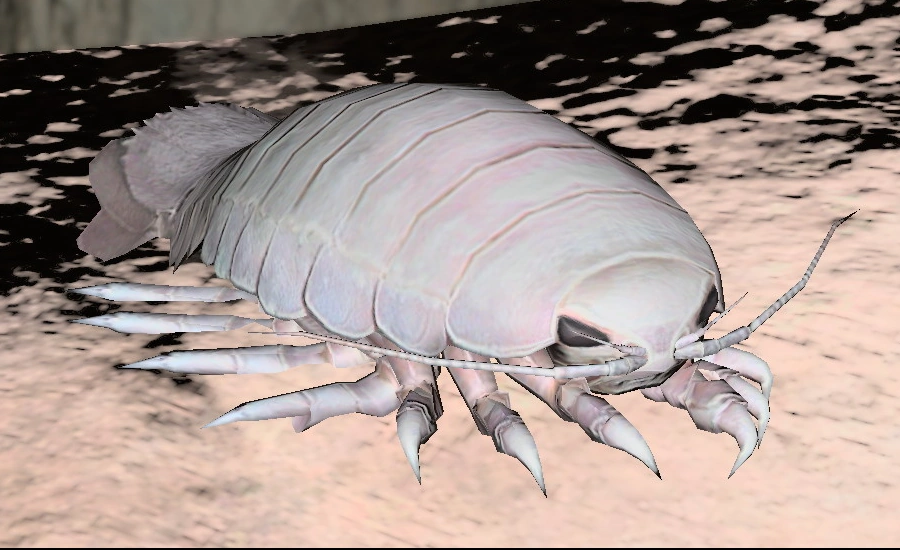
The popularity of colorful isopods is closely linked to the growing interest in bioactive enclosures. In these naturalistic habitats, isopods serve as a clean-up crew, consuming decaying plant material and contributing to soil health.
Benefits of keeping isopods in bioactive setups include:
- Improved soil aeration
- Natural waste decomposition
- Reduced odor
- Enhanced plant growth
- A balanced micro-ecosystem
This ecological function adds depth to the hobby, allowing keepers to observe miniature ecosystems thriving within glass enclosures.
Easy Care and Accessibility
One reason colorful isopods are gaining traction is their simplicity. They typically thrive in:
- Moist substrate with leaf litter
- Moderate humidity
- Gentle ventilation
- Occasional vegetable scraps or specialized invertebrate food
Their resilience makes them forgiving for new keepers. Unlike many exotic animals, isopods do not require expensive lighting systems or elaborate feeding schedules.
A Thriving Community of Enthusiasts
Online communities and social media platforms have accelerated the spread of interest in colorful postpods. Hobbyists frequently share:
- Macro photography showcasing vibrant patterns
- Breeding success stories
- Habitat design ideas
- Care tips and educational content
This collaborative environment encourages responsible keeping and continuous learning. As knowledge expands, so does appreciation for the remarkable diversity within the isopod world.
Sustainable and Ethical Appeal
Another positive factor driving their popularity is sustainability. Isopods:
- Reproduce readily in captivity
- Have minimal environmental impact
- Require limited resources
- Promote eco-conscious pet keeping
Their small ecological footprint aligns with modern values centered on conservation and mindful living.
The Future of Colorful Isopods in the Pet Hobby
As awareness grows, colorful isopods are expected to remain a standout choice in the exotic pet market. Their combination of aesthetic charm, ecological function, and ease of care positions them as ideal companions for today’s environmentally conscious hobbyists.
With continued interest in naturalistic setups and sustainable pet ownership, these tiny crustaceans are proving that even the smallest creatures can make a vibrant and meaningful impact.